
From Bench to Bottle: What Drink Developers Wish They Knew About Color
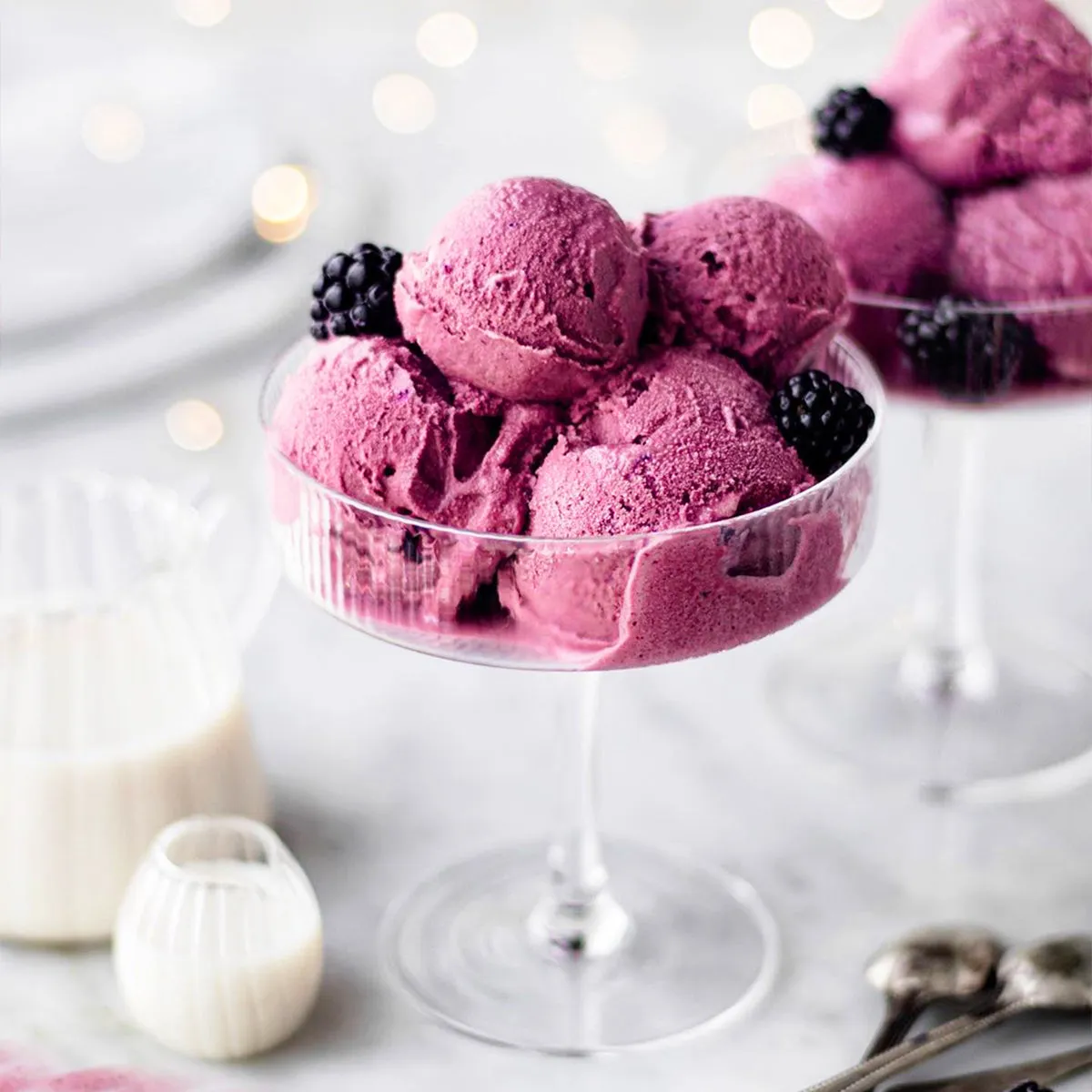
A drink is the least forgiving place to use a natural color. There’s no crust to hide streaks, no frosting to mask a dull shade, and light hits the product from every side. It’s also where customers judge quality fastest, since color is the first thing on the shelf they notice. Anyone shopping for food coloring for drinks soon learns that a color which looks lovely in a beaker can fail in a bottle within weeks.
Is the Drink Clear or Cloudy?
A clear drink shows every flaw. Pigment haze, sediment and a colored ring at the neck of the bottle are all obvious. Water-soluble colors suit these products best, since they stay dissolved and don’t separate on standing.
A cloudy drink, such as a juice blend or a plant milk, gives more cover. Emulsified or oil-based colors can work there, because the haze already scatters light. Plant milks are a good case, since their natural haze forgives small pigment particles. Decide the look you want first, then pick the color form that supports it.
What Does the pH Do?
Most soft drinks and juice drinks sit between pH 2.5 and 4. In that range, anthocyanin pigments show their reddest and clearest tones, while many other natural colors struggle. Always check the finished pH of the drink, not the pH of the water you started with. Acidity also helps preserve the drink, so color and microbiology often point the same way.
A deep Elderberry Color is a good example. It comes from a berry rich in anthocyanins, so it gives a vivid purple-red in sour drinks and holds up well in the fridge. It also pairs naturally with berry flavors, which keeps the label story simple and believable.
What Else Is in the Bottle?
Vitamin C is a classic surprise. Ascorbic acid can speed up the fading of anthocyanins, especially with warmth and oxygen around. If your drink is fortified, test the color with the vitamin already in the formula rather than adding it later. A drink that tastes great but fades by week three has not been finished yet.
Sulfites, preservatives and metal ions can also change the shade, and even the local water supply can matter. Run the full recipe through a trial and note any shift in the first week. Small changes early often grow into obvious ones by month three.
Light, Glass and Plastic
Clear PET and glass bottles let in plenty of light. Over weeks, that light bleaches many natural pigments. Amber glass, opaque cartons and UV-blocking films all slow the fade, and some cost less than people assume. Supermarket lighting is often stronger than people expect.
If the brand wants a see-through bottle, ask for light-stability data and run your own window test. Put bottles on a bright shelf for a month and compare them with ones kept in a dark box. The gap between the two tells you how much protection you need.
Stability Testing Without a Big Lab
You don’t need expensive equipment to learn a lot. Fill clear bottles with the finished drink, keep one set in the fridge, one at room temperature and one near a window. Check color, clarity and taste after one, two and four weeks, and write down what you see each time.
A warm-room test speeds up the clock. Four weeks at elevated temperature can hint at what a longer shelf life will do, though real-time data still has the final word. Share your results with the supplier, who may recommend a more stable grade or a small formula change.
Dosing and Mixing in Production
Concentrated colors go in at very small percentages, so mixing accuracy matters. Pre-dilute the color in a small amount of water, add it slowly with the agitator running and check the shade before the tank is topped up to volume.
Record the dose, the temperature and the hold time for each batch. When a bad lot turns up, those notes let the team find the cause in an hour instead of a week, and they make audits much easier. Staff training on the dosing steps pays off quickly.
Pouring It All Together
Drinks reward careful bench work. Know the pH, the clarity, the other ingredients and the package, and the color decision mostly makes itself. Start small, test honestly and let the data decide.
To browse plant-based colors suited to beverages, visit foodrgb.com and request samples to test in your own recipe.
