
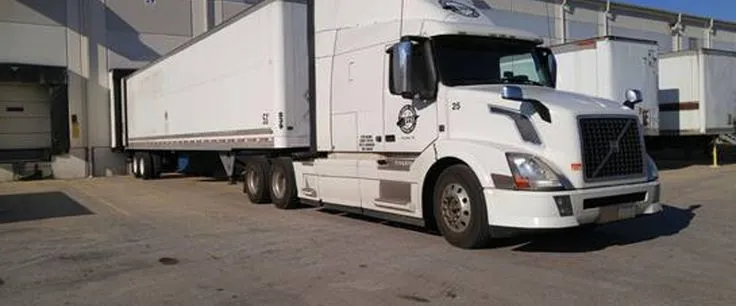
Of course, businesses in Savannah frequently require effective ways to transport containers between other commercial entities, between transportation centers, between warehouses and between distribution centers. Drayage is the critical link in a chain of short-haul moves. Several reasons make drayage beneficial to importers, exporters, manufacturers, retailers, and distributors, which can help in planning transportation and ease the process of choosing drayage services for their regular shipping needs.
Connecting Key Locations
Drayage Savannah supports the port’s links with various components of the local and regional supply chain. Before a container can proceed to its final destination, it might have to go to a warehouse from a terminal.
These are typically shorter than long-haul transportation, but also need to be coordinated. Before transport, pickup time, container information, facility requirements and delivery specifications should be familiarized.
This is a key interface between transportation facilities and inland businesses, and therefore drayage is significant.
Supporting Local Businesses
There are a number of different types of commercial freight moves that can take advantage of drayage in Savannah. For importers, containers might have to be moved towards warehouses and for manufacturers, incoming materials may need to reach production facilities.
Container transportation can also be used between terminals and into the distribution network by both distributors and retailers.
This will depend on the company’s supply chain and exactly what is required. Occasional moves can be arranged by some businesses, and regular moves may be required year-round by others.
Partners with Drayage Providers
When evaluating drayage services Savannah, businesses must take into account more than just the availability of the service. Factors including service coverage, equipment, communication, scheduling and experience all impact a provider’s ability to fit their operations.
Companies should explain their typical pickup and delivery locations before choosing a provider. This will help them decide if they will be able to maintain their usual routes using the transportation service.
A provider who has experience in shipping containers to similar facilities will also be able to understand the requirements for the facility more efficiently.
Managing Container Details
Correct information about the container is crucial for each move. The number of the container, pick-up address, delivery address, shipment time and the required content of the cargo should be in the business’s mind.
Accurate weight information should also be provided. The transportation provider is able to understand what is moving and how it is moving before it is dispatched if they are provided with the full shipment information.
If special handling or delivery instructions are necessary, they should be given before delivery is made.
Planning Around Schedules
Different operations may be run at different times at terminals, warehouses and distribution centers. Appts may be required for some sites; other sites have pick up/ receiving windows.
Prior to any travel arrangements, businesses should verify these needs. The release of scheduling details assists the carrier in moving and provides a bit of warning to the receiving facility.
Companies can have regular instructions for locations that are frequently used in recurring shipments. This can help to streamline future transportation.
Improving Supply Chain Coordination
Drayage is a component of the freight system. A container can come in one way of transport and then be moved to an inland facility by truck.
It’s important to be aware of what is done before the pick-up and what is required after delivery. For instance, if a container has been emptied after the shipment has been unloaded, it might need special return arrangements.
All-in-one movement can assist firms in staying clear of gaps between the various stages of the transportation process.
Choosing the Right Service
Companies need to assess transportation service providers based on their requirements. The availability of equipment, geographic coverage, methods of communication, scheduling flexibility and experience with similar shipments are all helpful considerations.
Also take into consideration cost, but not as the only factor. For companies with regular freight, the provider offering robust value may be the one with good communication and suitable to the company’s pattern.
Firms that have shifting quantities of shipments may also want to see if the provider can make reasonable adjustments.
Keeping Records Organized
There are some points with regard to container transportation that need to be easily readable. Information such as container numbers, pickup dates, appointment details, facility contacts, and delivery instructions might be required for businesses.
Having the information in organized records makes communication easier if questions do arise. They have the ability to aid shipping teams in preparing for future motions without having to gather the same information again.
Frequent inspections of these records can help identify any shifting trends in shipping and enable businesses to adapt their transportation strategies accordingly.
Conclusion
Drayage is essential for Savannah businesses to draw terminals, warehouses, distribution centers and other components of the freight network together. These movements can be facilitated by careful planning around details of the container, its schedule, the equipment involved and the ability of the provider. Each business should consider transportation options based on its shipping needs and requirements. Interested businesses interested in drayage and other freight transportation services can find more information on available services at ykfreight.com.
